
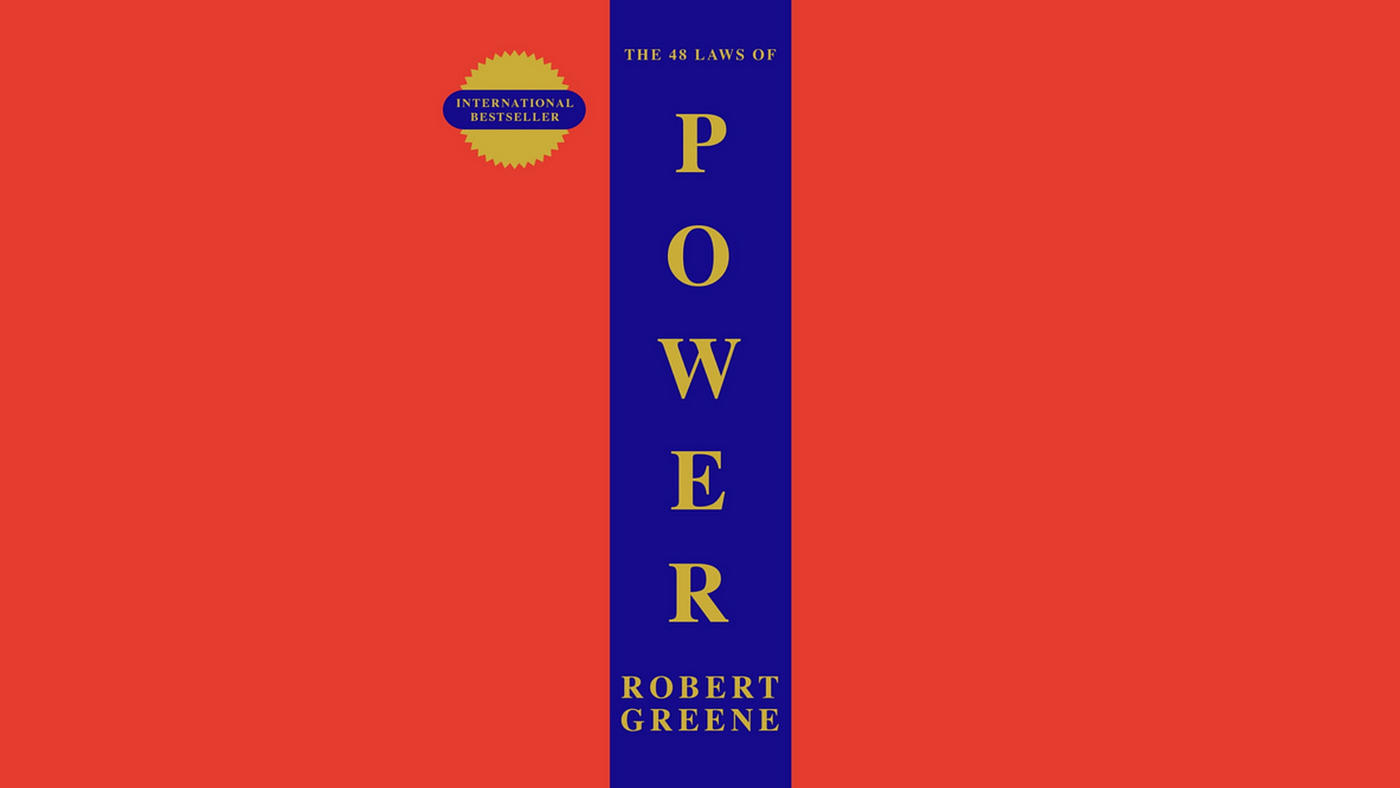
When discussing whether or not the 48 Laws of Power are ethical, rule #33 stands out to me as a rule that could be deemed unethical or ethical, depending on which ethical theory you apply. Rule #33, “Discover Each Man’s Thumbscrew,” argues that you should discover other people’s insecurities and use them to your advantage to gain power. Robert Greene uses several examples of times when this rule was followed, leading to an eventual success by whoever followed the rule. My favorite example is the story of Cardinal Richelieu, and how he manipulated and used members of the French royal court to gain power and rule France. He knew that the at the time 15 year old king Louis XIII didn’t truly hold the power, but instead his mother, Marie de Medicis did. He quickly realized that Marie was an insecure woman who needed constant masculine attention, and he provided that attention to her so she would be easily influenced by him. After a few years, the king took power from his mother, but while still young and inexperienced, found himself without any advisors to help him rule. He once again turned to his mother to give him advice, and, because of Richelieu’s ability to play into her insecurities, she told Louis to make Richelieu the Chief Minister. With this new office, he quickly abandoned Marie de Medicis, and focused all his attention on manipulating the king so that he could obtain power. He would push the king into rash decisions, and the king would eventually turn to Richelieu to solve the problems caused by his rash decisions. With the king depending on him fully to rule, Richelieu was now able to rule France as he liked, and created a strong, peaceful centralized state, and did many good things for France.
I would like to dissect this rule and the example provided by viewing it under the lens of two separate ethical theories. The first ethical theory is Utilitarian Morality, which at a basic level is the idea that the right thing to do is always the option that creates the most benefit for the most people. Someone who is acting under Utilitarian principles would be the person to flip the lever in the famous trolley dilemma, not that that’s the wrong option, I would do it too, but it is a basic example of Utilitarian morality.
A person who acts in accordance to Utilitarian principles would argue that Richelieu, while being conniving and manipulative, was ethical and justified in his actions because they eventually lead to him being able to do many positive and valuable things for France. They would say that while manipulating Marie de Medicis and then completely dropping her after he got what he needed was not a good thing to do, but that these actions were justified because the ends justify the means and the good he was able to do outweighed the harm he did by manipulating.
On the other hand, the second ethical theory is the theory of Virtue Ethics. Virtue Ethics argues that there are certain principles that you should never violate and that there are certain human rights that you should never violate. For example, someone following Virtue Ethics would argue that you should never lie, even if a lie could avoid someone having their feelings hurt. In my personal opinion I think most ethical decisions should be made using principles of Virtue Ethics.
Someone who acts with the principles of Virtue Ethics would say that even though Richelieu ended up doing good things for France, it was wrong for him to manipulate court members including the king’s mother, Marie de Medicis. In Virtue Ethics, the ends do not always justify the means, if a larger more important principle is transgressed. In this case, the larger principle that was transgressed was that you should never intentionally manipulate people by playing into their insecurities, no matter the outcome.
As a conclusion and evidence to support my argument that most ethical discissions should be made using the principles of virtue ethics, I will tell you the conclusion to the story. Richelieu continued in his position as the Chief Minister to the king for many years, and he was able to mold France into a more centralized and stable state, but his rampant manipulation was realized by members of the court, and by the French people. He survived various assassination attempts, but when he eventually did die of an illness, all of France celebrated in a nationwide Holladay. While Richelieu experienced temporary success due to his skillful manipulation, his actions caught up to him and he died being known as a corrupt and evil politician. I think that Richelieu was an intelligent and adept statesman, but I think that he would have been better off long term had he operated using virtue ethics instead of Utilitarian Ethics.



Leave a Reply